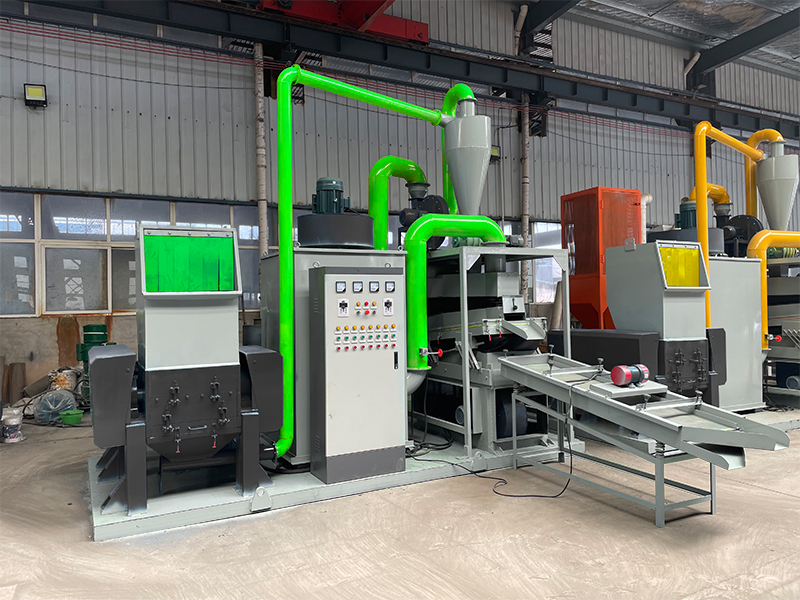
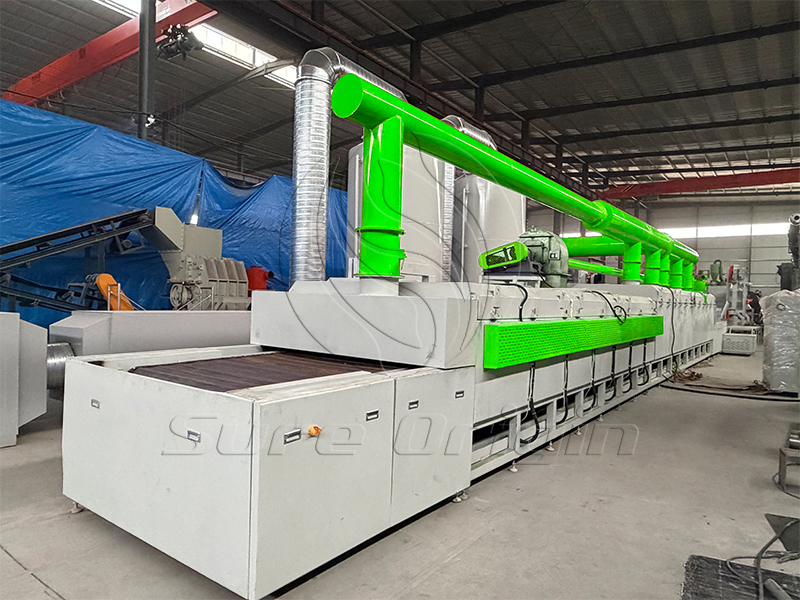
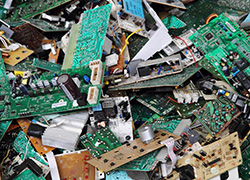
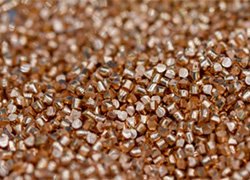
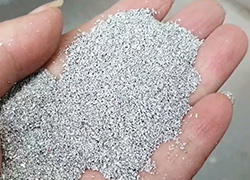
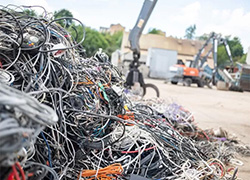
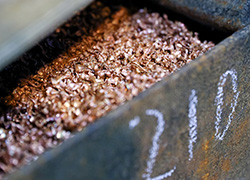
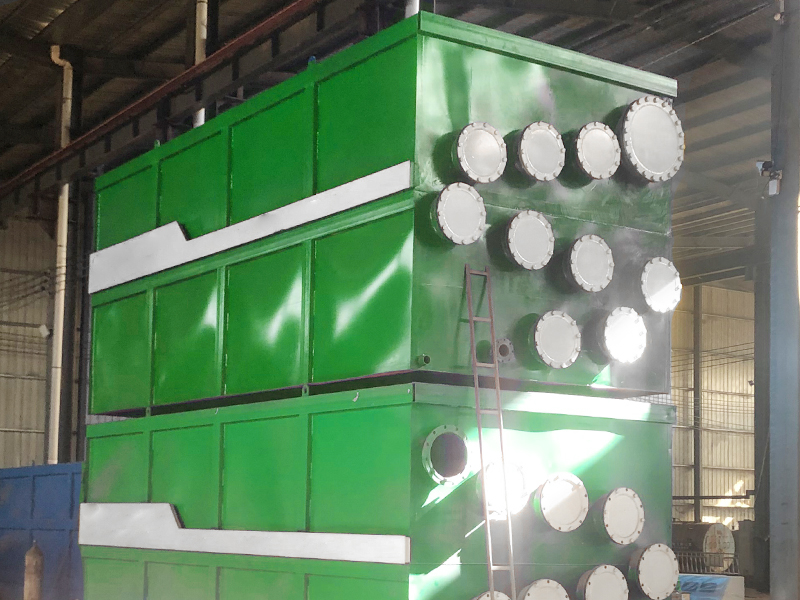
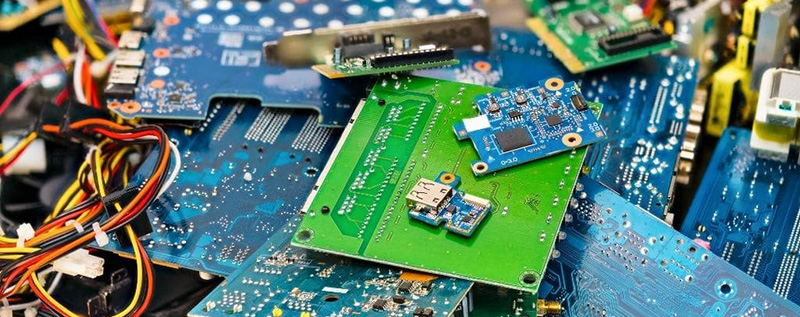
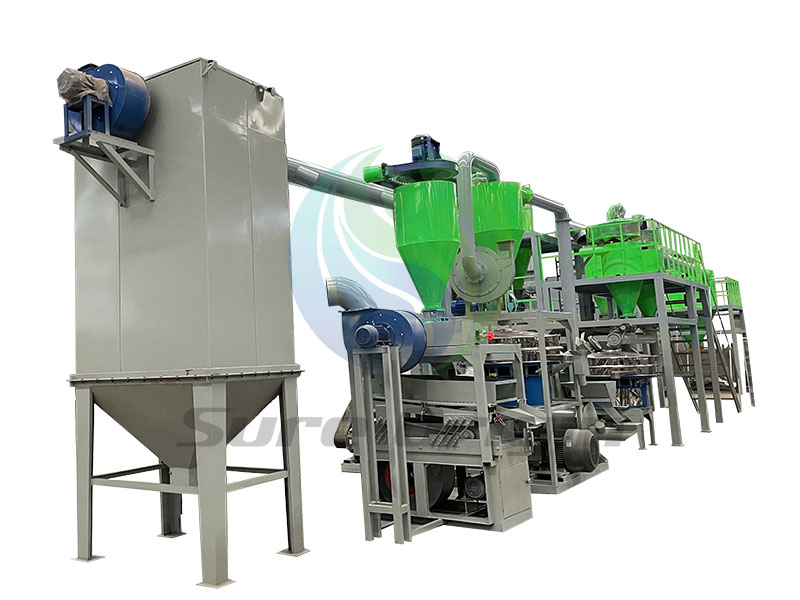
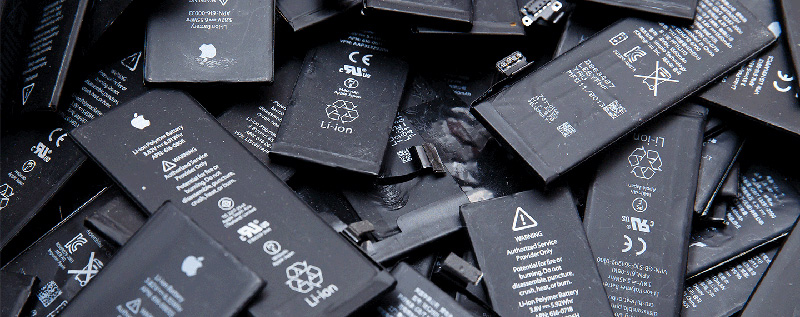
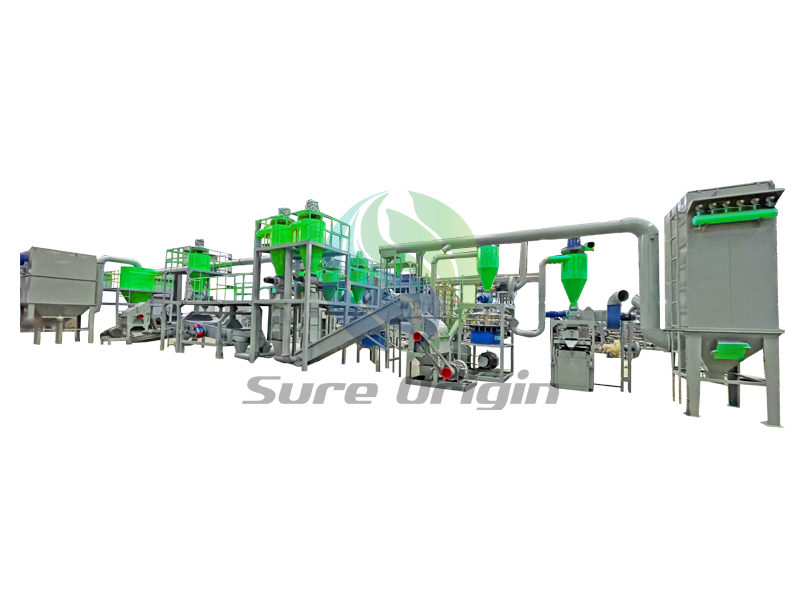
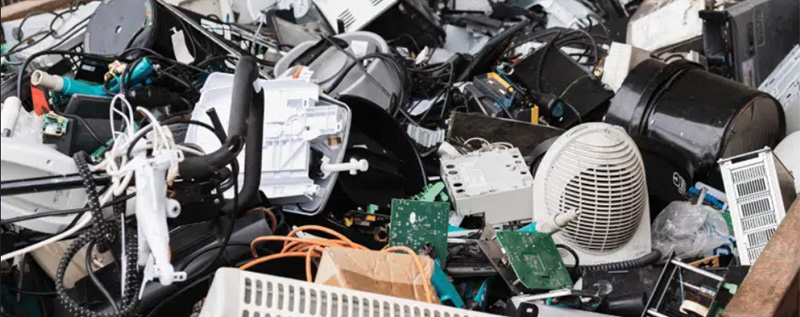
Automated systems for high-purity copper powder separation from circuit boards (PCBs) primarily use a combination of physical recycling methods, specifically crushing, gravity separation, and high-voltage electrostatic separation. This approach avoids toxic chemicals and can achieve high purity rates.
Automated Physical Separation Process
The automated process for separating copper powder and other materials from waste PCBs typically involves several stages:
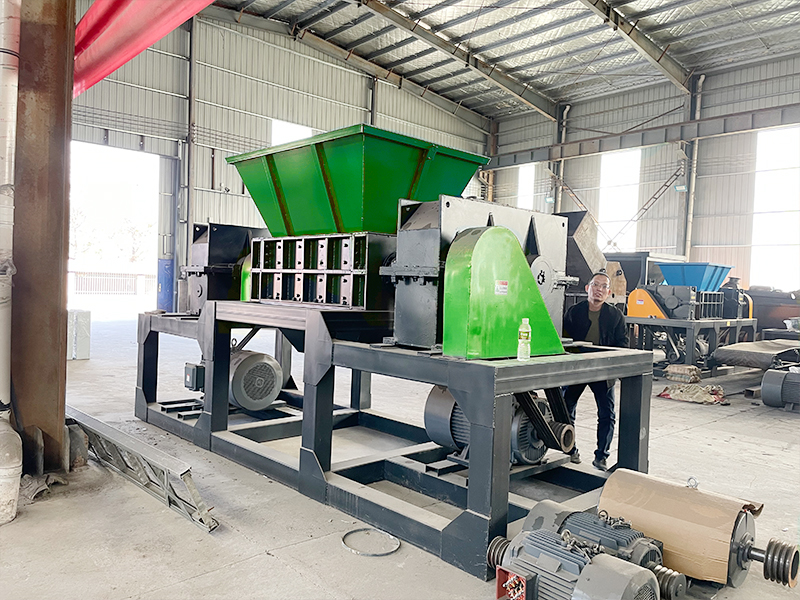
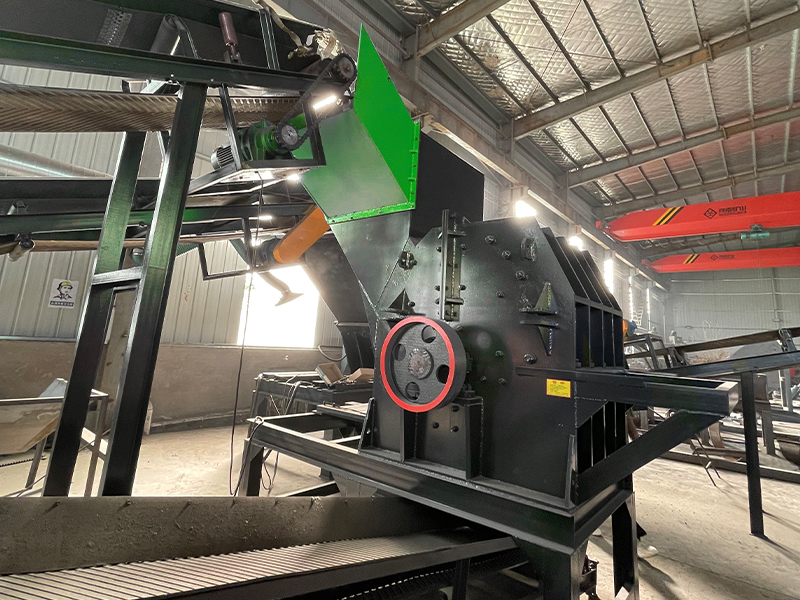
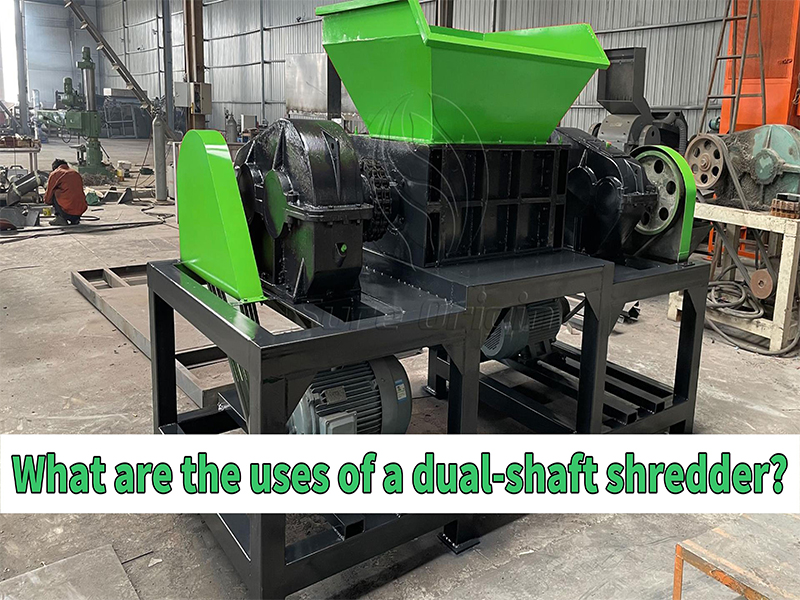
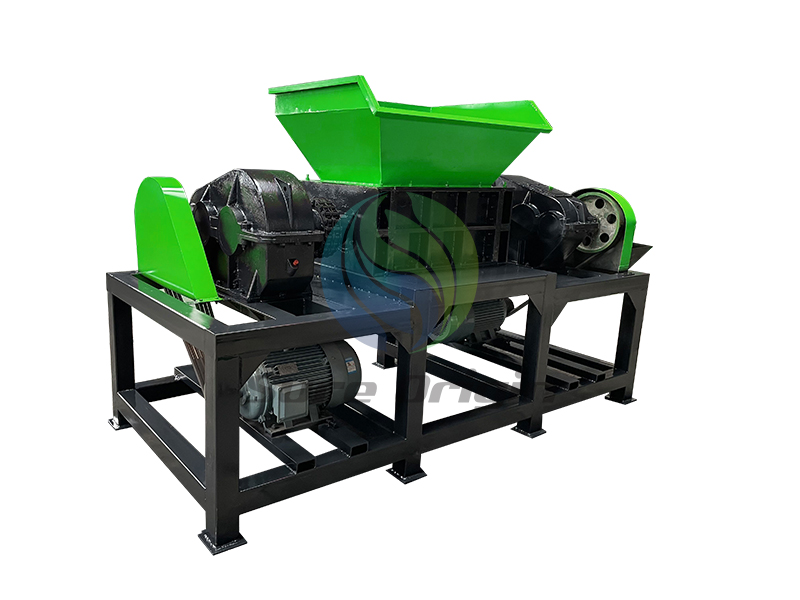
Shredding/Dismantling: Large circuit boards are initially shredded into smaller, manageable pieces (around 2-3 cm).
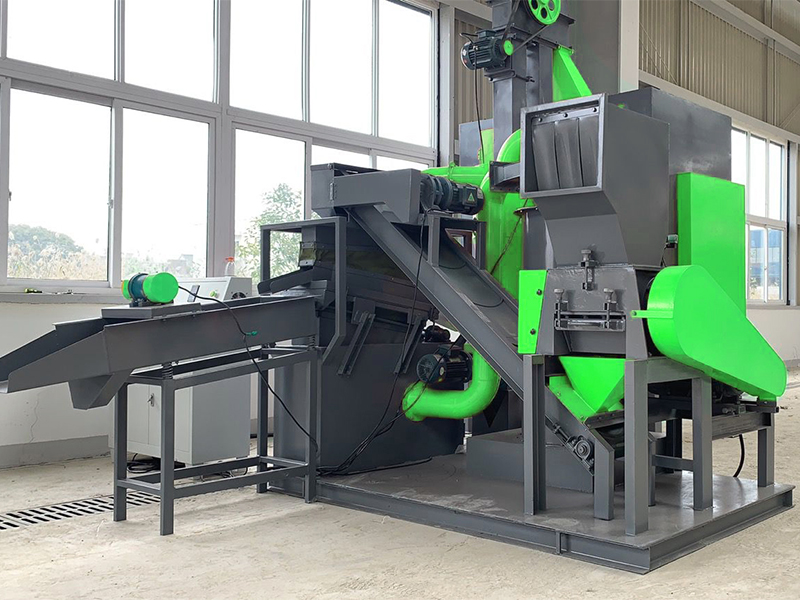
Crushing/Grinding: The shredded material is further crushed and ground into a fine powder mixture (e.g., around 20 mesh, or smaller than 0.6 mm). This step is crucial for liberating the metal components from the non-metallic substrate (resin/fiberglass).
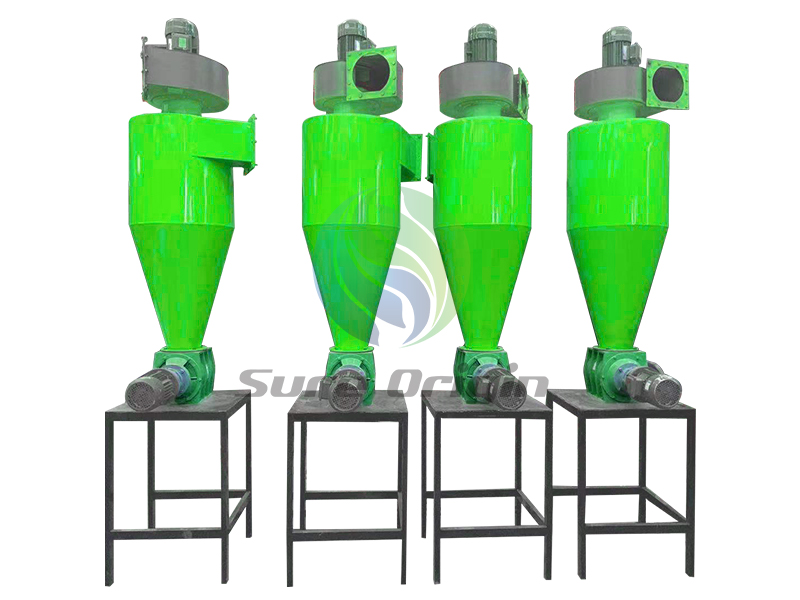
Air Classification: The crushed powder is air-selected to separate lighter components (dust, fibers) from heavier ones (resin, copper).
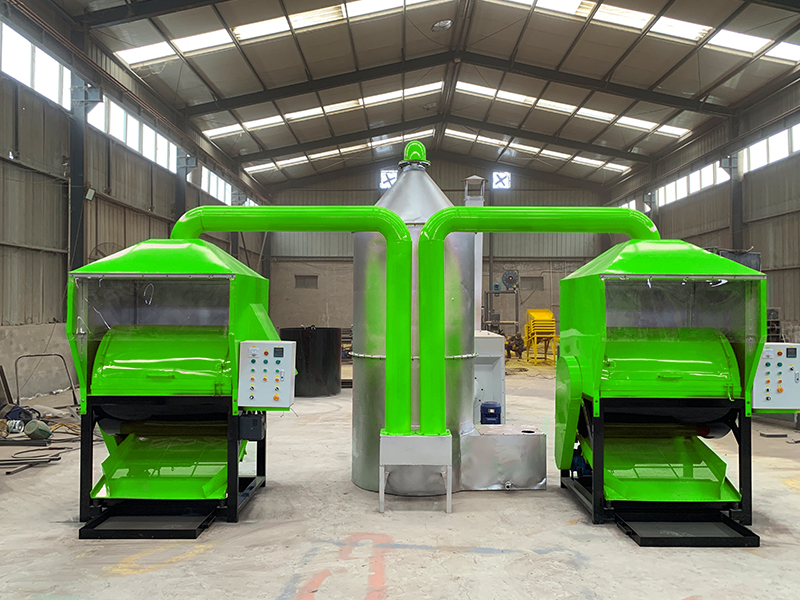
Gravity Separation: The mixture of resin and metal powders then enters a specific gravity sorter, often a shaking table. Because copper is much denser than the resin powder, the materials are sorted by weight, achieving a high initial separation of metals and non-metals.
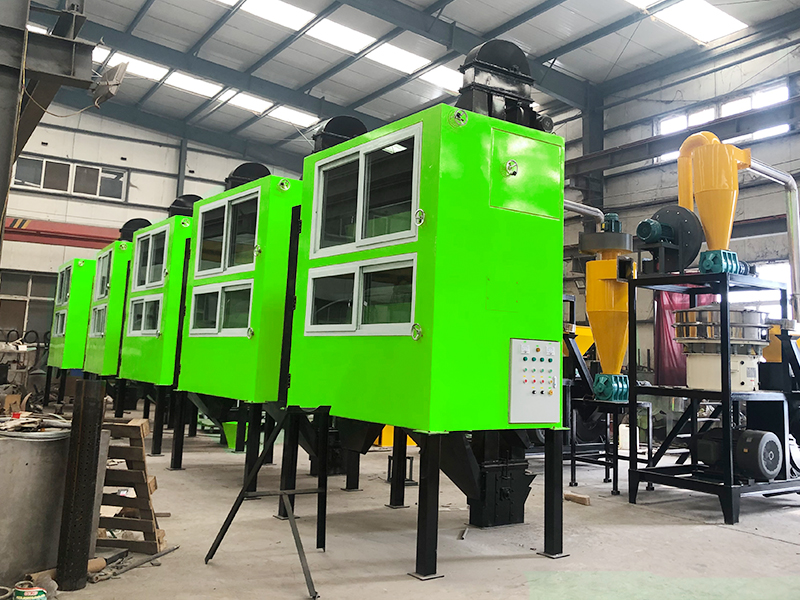
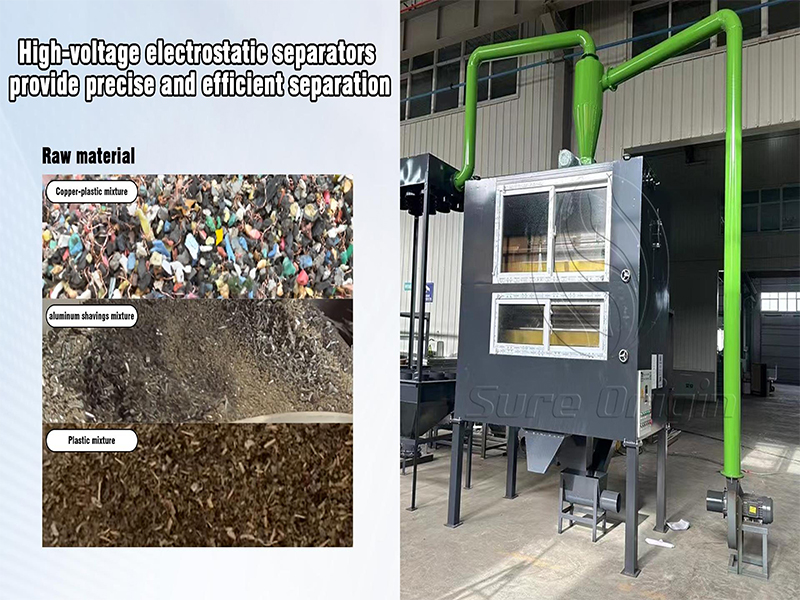
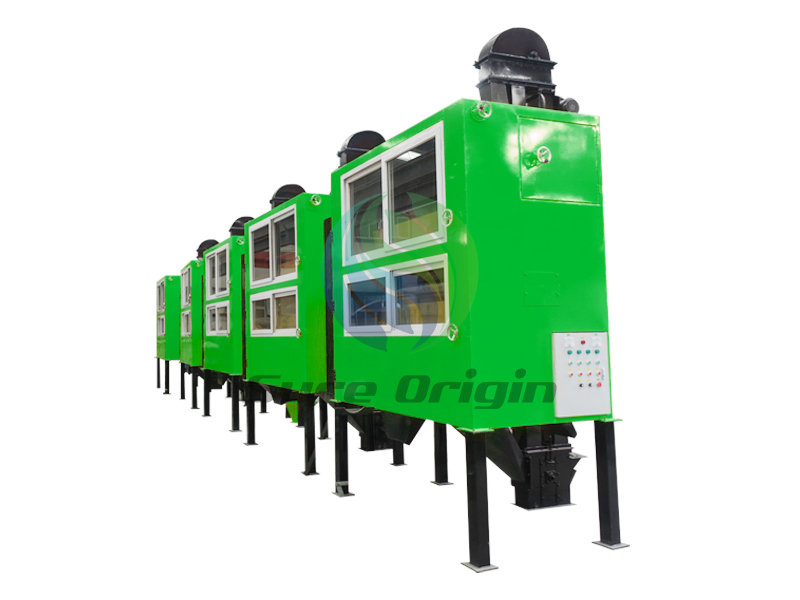
High-Voltage Electrostatic Separation: The tailings or remaining mixture from the gravity separator are subjected to high-voltage electrostatic separation. This method leverages the difference in conductivity: the conductive metal particles (copper) become charged and are attracted to an oppositely charged electrode, separating them from the non-conductive resin/fiberglass.
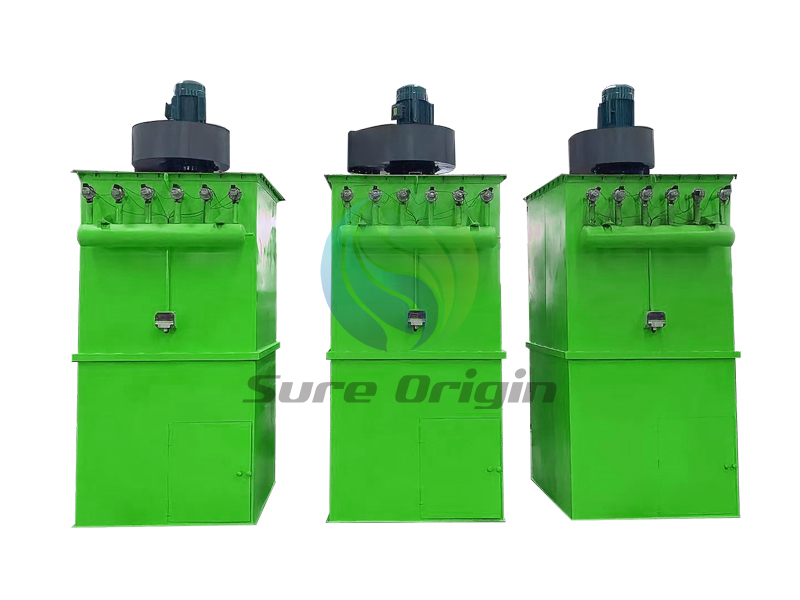
Dust Collection: An integrated pulse dust removal system is used throughout the process to capture fine dust and microfibers, ensuring a clean and safe operation with minimal air pollution.
This dry, physical method can achieve a final copper purity of up to 99.9%. The recovered co