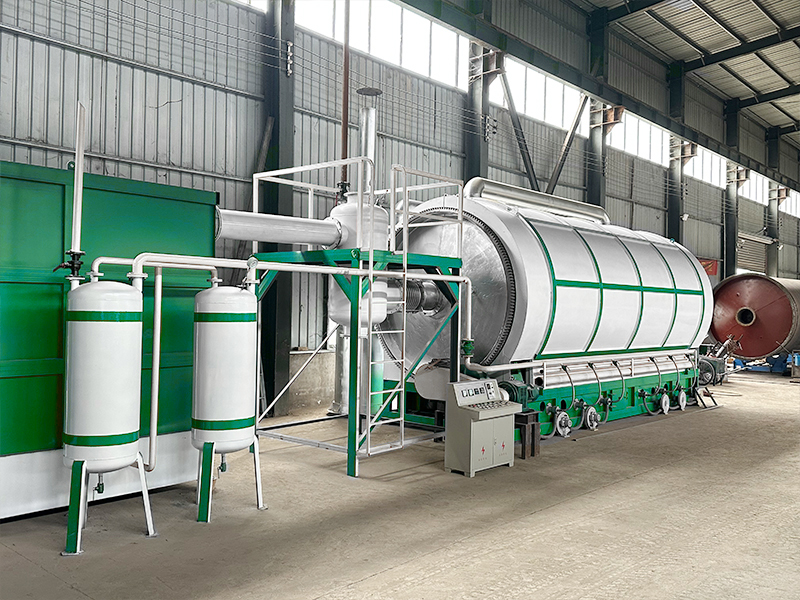
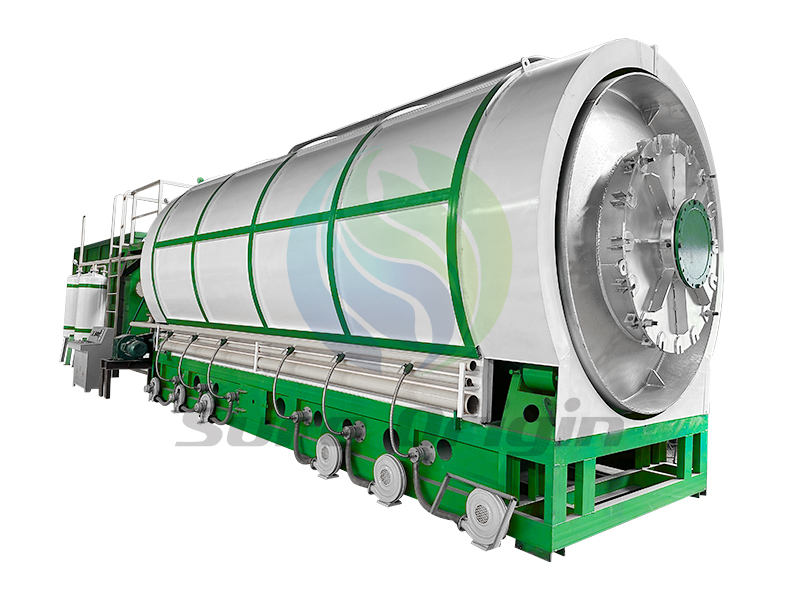
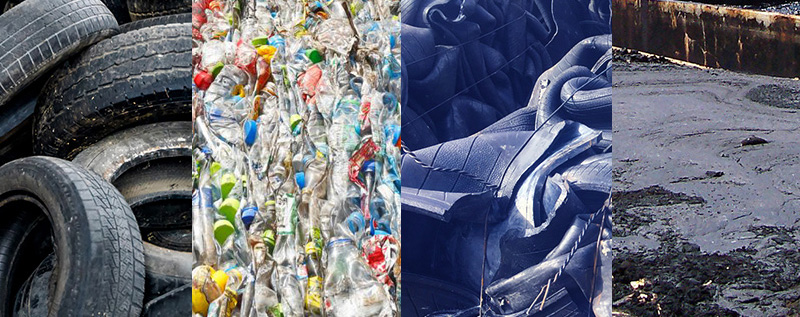
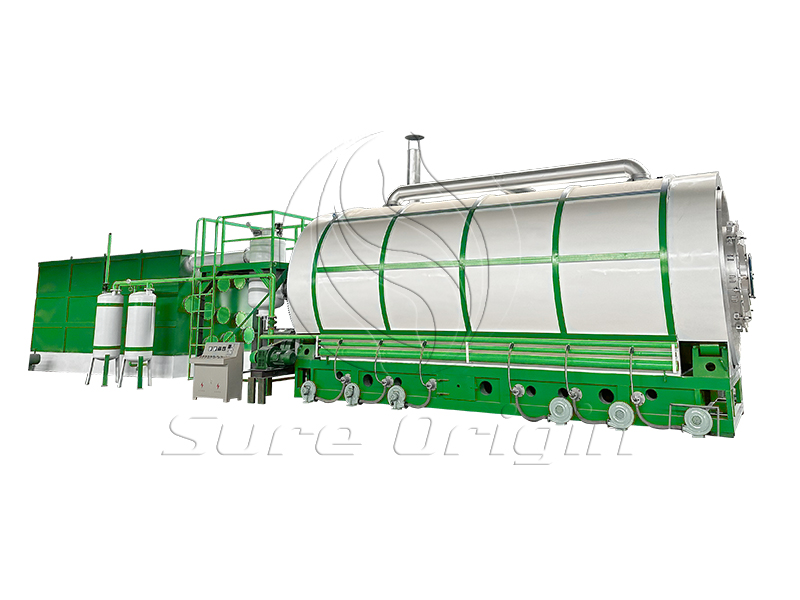
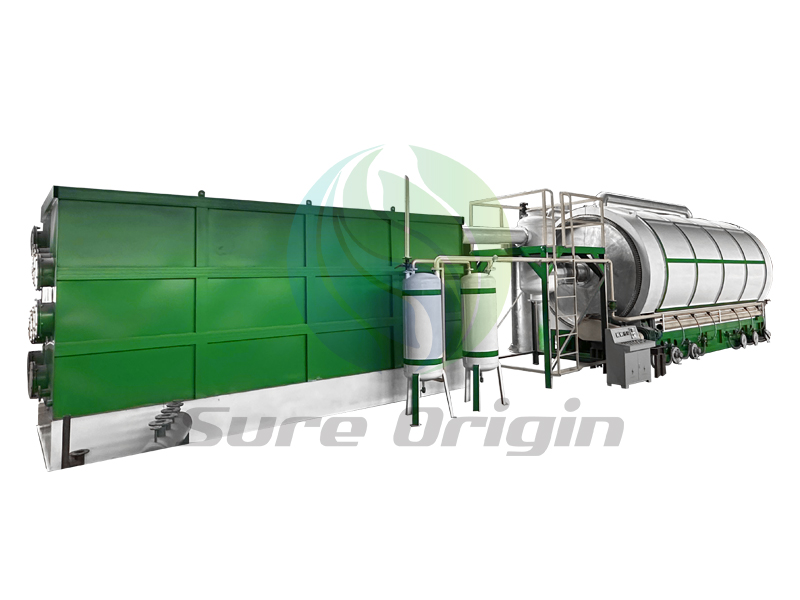
The waste tire pyrolysis technology decomposes tires into high-value-added products such as fuel oil, carbon black and steel wire in a high-temperature and oxygen-free environment, achieving a resource conversion rate close to 100%.
This technology adopts a micro-negative pressure low-temperature cracking process (390-420℃), and under the action of a dedicated catalyst, it completes continuous production, significantly reducing energy consumption and improving product quality.
Compared with traditional landfill or incineration methods, pyrolysis can effectively avoid black pollution. It can convert 58-60% of the rubber mixture in tires into recycled rubber and vulcanized rubber powder, recycle 23-25% of the steel wire into high-quality carbon steel, and 13-15% of the nylon fibers can be recycled for plastic products.
Its core advantage lies in achieving continuous feeding, oil discharge and slag discharge through an automated control system, while using cracking gas as the heat source for system heating, thus forming a closed-loop production mode.
This technology not only solves the problem of the long natural degradation cycle of tires, but also converts waste into energy and industrial raw materials, promoting the development of a circular economy.
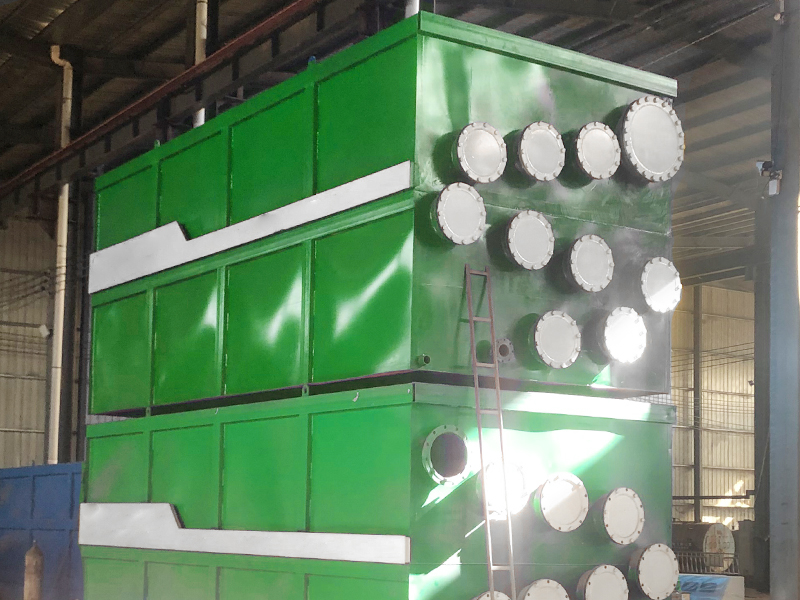
The safe and efficient pyrolysis technology significantly enhances production reliability through multiple innovative designs.